

Encoder cables are a type of cable specifically designed to connect encoders and controllers, used for transmitting signals and data to ensure effective communication between the encoder and the control system. Encoder cables play a crucial role in fields such as industrial automation, mechanical equipment, and robotics. They undertake the key information transmission tasks between sensors and actuators. Typically, encoder cables have one or more pairs of wires used to transmit different types of signals, such as power, ground, and signals. These cables usually have good shielding performance to reduce the impact of external interference on signal transmission and ensure the accuracy and stability of data.
In addition, the encoder cable may also include special connectors to facilitate connection with the encoder and controller, and to ensure the firmness and stability of the connection. In the industrial field, the quality and stability of encoder cables are crucial for the normal operation of the system. Due to the possible presence of factors such as vibration, temperature changes, and electromagnetic interference in the working environment, encoder cables usually need to have characteristics such as high-temperature resistance, wear resistance, and anti-interference to ensure the reliability and stability of the system.
In addition, the selection of encoder cables also needs to be based on specific application requirements, including transmission distance, signal type, working environment and other factors. Different types of encoder cables are suitable for different application scenarios. Some applications that require long-distance signal transmission may need to use specially designed cables to ensure stable signal transmission.
Overall, encoder cables, as a crucial link between encoders and control systems, play a key role in the fields of industrial automation and mechanical control. By providing reliable signal transmission and data exchange, encoder cables help ensure the efficient operation of the system, enhance production efficiency, and also offer significant support for the intelligence and automation of industrial equipment.
-
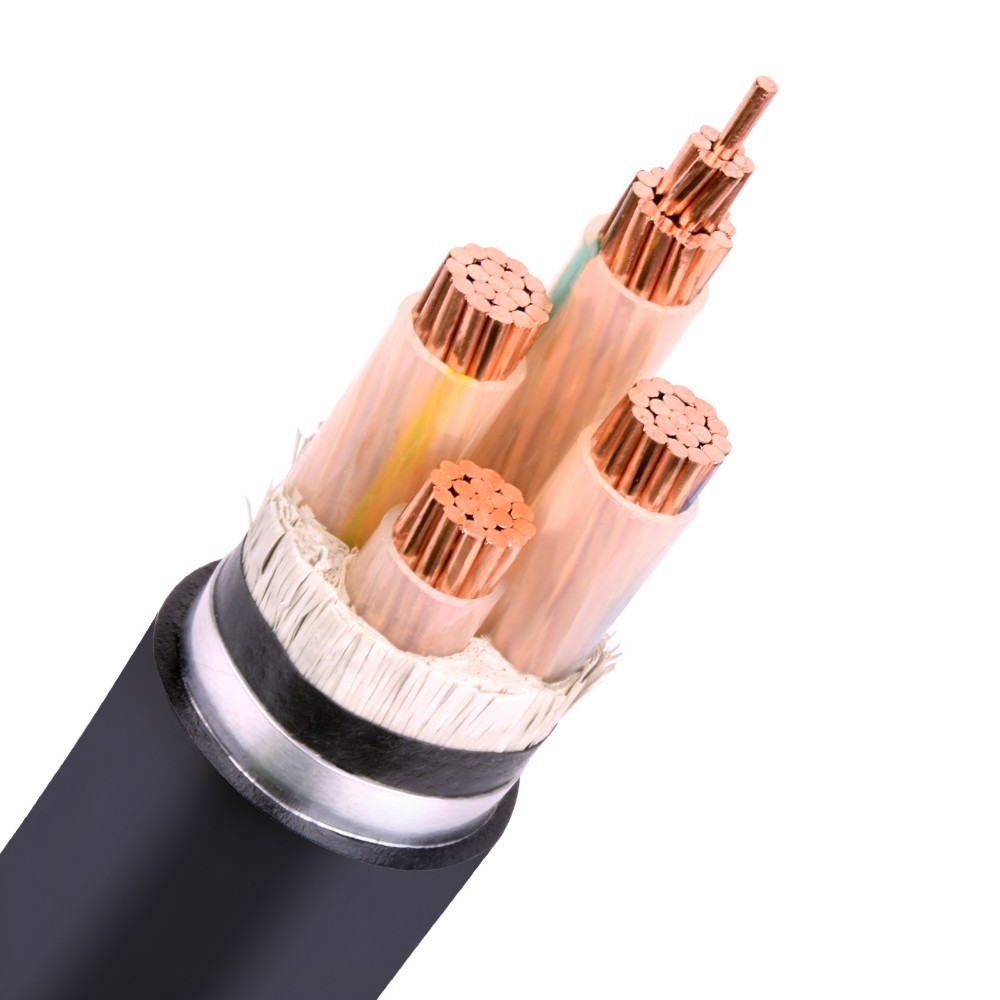
Encoder cable
Explore more -
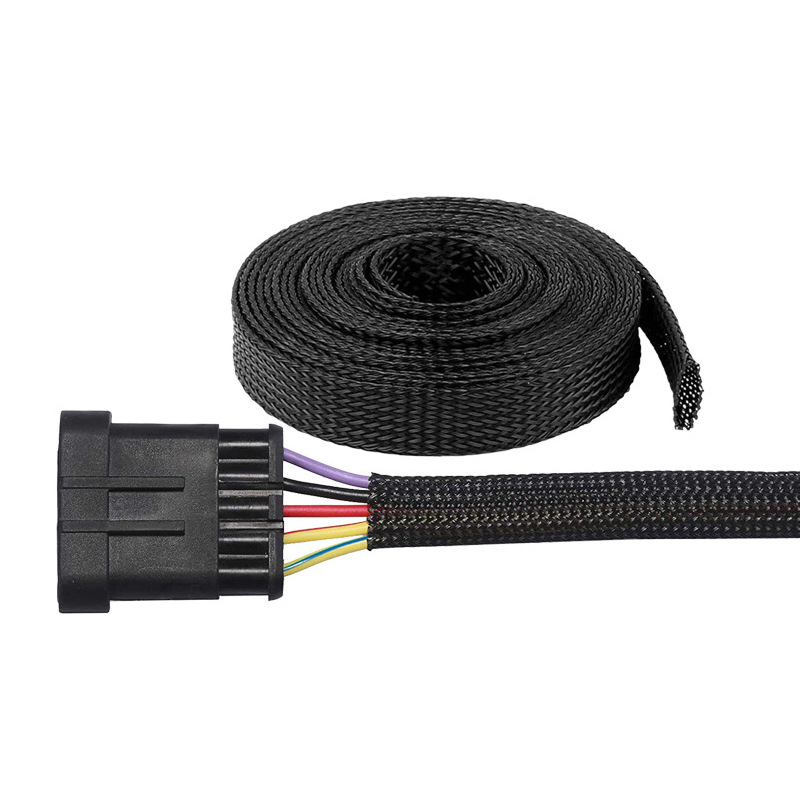
Encoder cable
Explore more -
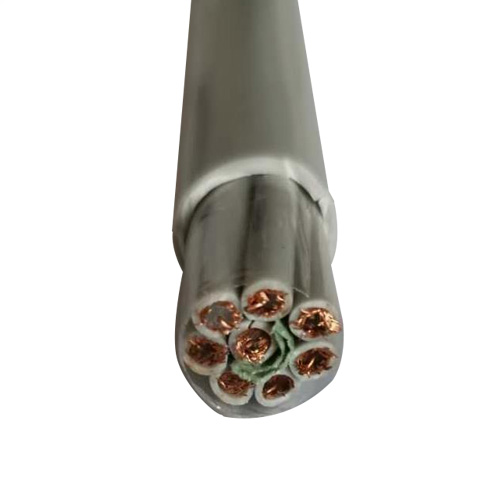
Encoder cable
Explore more -
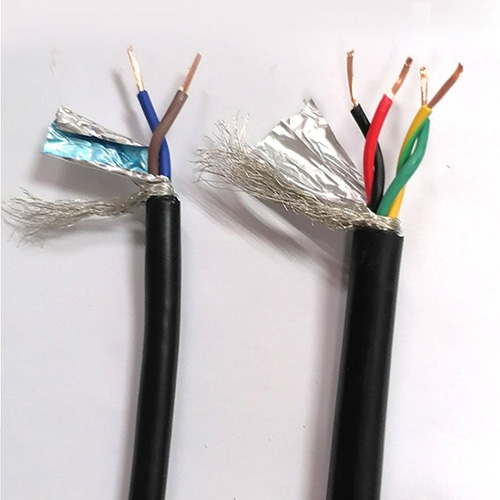
Encoder cable
Explore more
- Tel:180-5860-1913
- Address: No. 634, Liufeng Road, Guolin Town, Yixing City, Jiangsu Province, China

Business contact
Wechat scan code