

Industry News
Location:Home > News > Industry News
The difference between power cords and control cables
Purpose
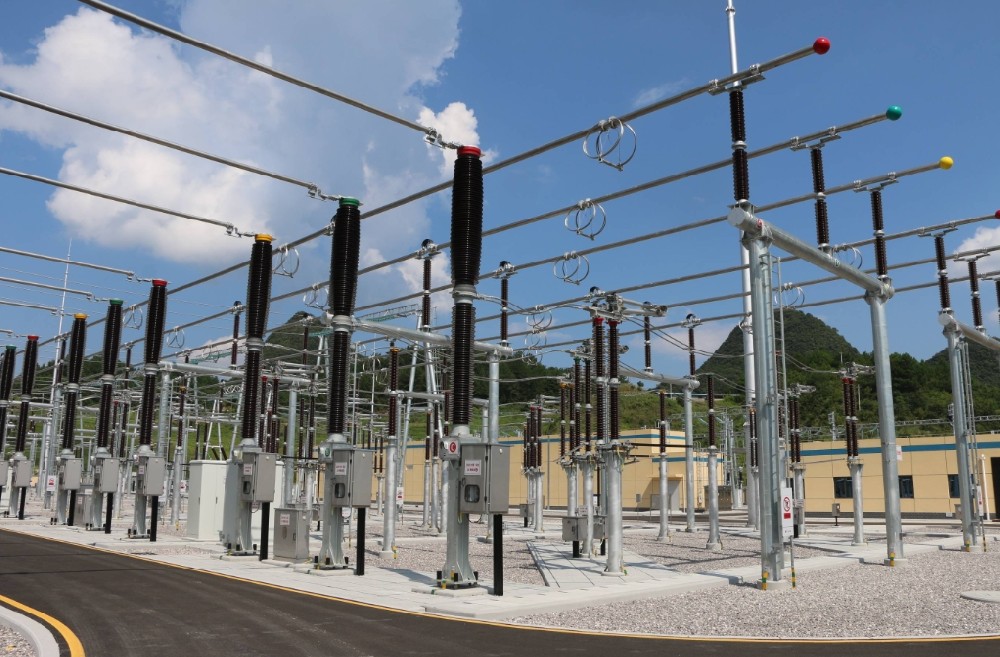
Power cables are mainly used for transmitting electrical energy, transporting it from power plants and substations to various power consumption sites. They are one of the infrastructures of the power system. Control cables are mainly used for transmitting signals, controlling the start and stop, temperature, humidity and other functions of various electrical equipment, and achieving remote monitoring and automatic control.
Insulating material
The insulating materials of power cables are required to have high electrical and mechanical strength and be capable of withstanding high-voltage and high-current tests. Common insulating materials include polyethylene, cross-linked polyethylene, etc. The insulating materials of control cables are required to have high signal transmission performance and anti-interference ability. Commonly used insulating materials include polyvinyl chloride, polyolefin, etc.
Cable structure and dimensions
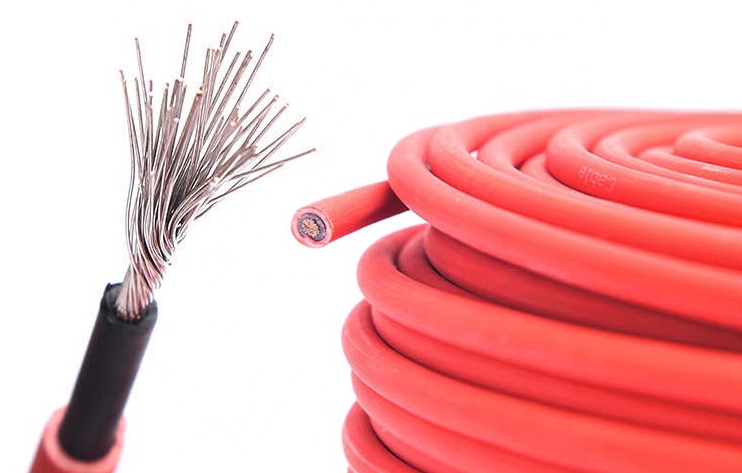
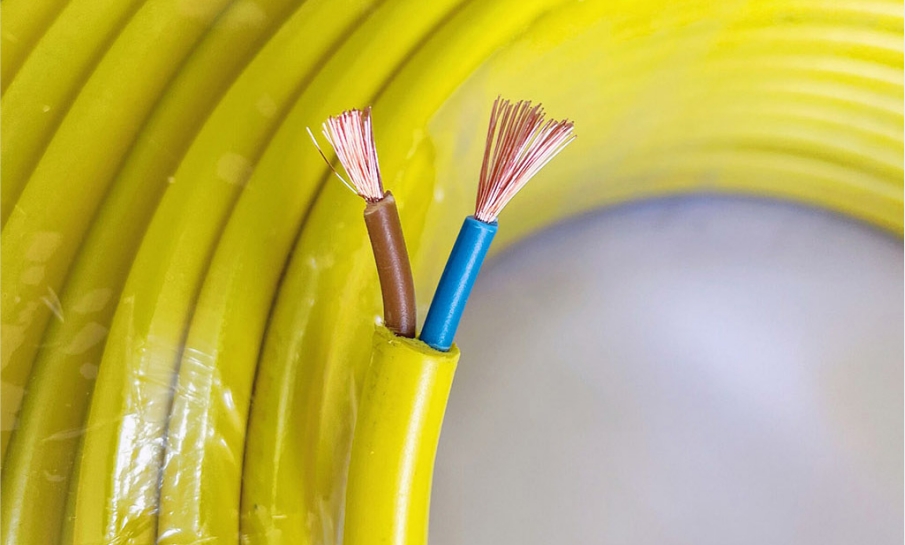
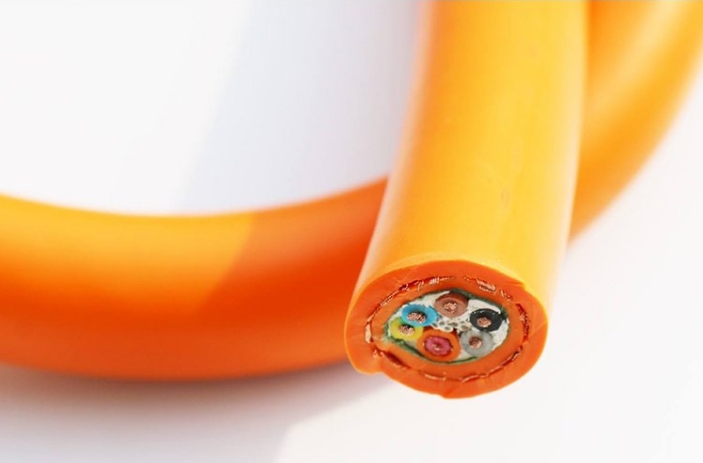
The structure of power cables is relatively simple, mainly including conductors, insulation layers, metal sheaths and outer protective layers. Power cables are relatively large in size, usually thick and heavy, and require a considerable amount of space during installation and laying. The structure of control cables is rather complex, mainly consisting of conductors, insulation layers, signal protection layers, shielding layers and other components. Control cables are relatively small in size, generally thin and light, and are suitable for installation and laying in smaller Spaces.
Voltage level and current capacity
The voltage level of power cables is relatively high, usually above 1kV, and the current capacity they can transmit is also relatively large, typically over several hundred amperes. The voltage level of control cables is relatively low, usually below 1kV, and the current capacity they can transmit is small, typically below several tens of amperes.
Work protection and installation methods
Power cables are usually laid outdoors or underground and need to withstand the influence of environmental pressure and mechanical external forces. Therefore, corresponding protective measures need to be taken, such as waterproofing and fire prevention. In practical applications, we need to select the appropriate type and specification of cables based on different requirements to ensure the stable operation of the power system and the effective transmission of control signals.
- Tel:180-5860-1913
- Address: No. 634, Liufeng Road, Guolin Town, Yixing City, Jiangsu Province, China

Business contact
Wechat scan code