

To prevent problems before they occur, let's elaborate on the precautions in cable maintenance and repair
1. Regular inspection
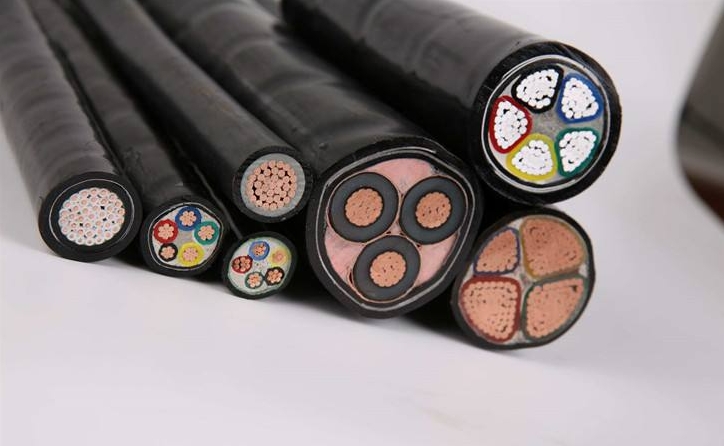
Cables are an indispensable part of industrial production. Regular inspection can ensure their good condition and normal operation. It is recommended that fire inspectors inspect the cables every day. The specific inspection contents include testing the temperature, appearance, connection points, etc. of the cables. Any problems found should be dealt with promptly. In addition, professional electricians should be dispatched regularly every year to inspect the cable system, with a focus on checking whether all interfaces are tightened and the operation of the internal heat sinks.
2. Avoid bending
During the laying process of cables, bending should be avoided as much as possible; otherwise, it may cause damage to the internal insulation layer of the cables. At the same time, be careful not to twist or pinch the cable to avoid causing extensive damage to the interior of the cable.
3. Cleaning and maintenance
Cables are prone to accumulate dust and dirt during use. If not cleaned for a long time, it can easily affect the insulation performance of the cables. Therefore, it is necessary to clean and maintain cables, but it is also important to avoid using hard objects or cleaning agents containing acidic solutions for cleaning.
4. Prevent moisture
Once the insulating material of cables gets damp, it will lose its insulating performance. Therefore, when storing and laying cables, it is necessary to pay attention to moisture-proofing. If the cable cannot avoid getting damp, crystal balls, dehumidifiers and other equipment can be installed around the cable to keep the surrounding environment dry.
5. Combined therapy
Cable joints are prone to failure, so special attention should be paid during daily maintenance. Joints that are aged or damaged need to be replaced in a timely manner. When installing new joints, it is necessary to follow the relevant regulations to ensure that the joints are not subject to tensile force.
6. Prevent overloading
During the use of cables, it is essential to ensure that the rated load of the cables is not exceeded to avoid overloading and damaging the cables. At the same time, it is also necessary to avoid stacking heavy objects on the cables to prevent excessive tension and internal damage to the cables.
7. Lightning protection
The maintenance of cables also includes protection against lightning strikes. It is necessary to inspect and protect the cables during the thunderstorm season. In addition, it is also very important to set up reasonable lightning protection facilities near the locations where cables are used.
-
什么是风电电缆?介绍风电电缆的应用范围和领域
2025-08-13
-
船用电缆的敷设位置和工作条件
2025-08-06
-
辐照交联聚烯烃线缆的特征
2025-07-11
-
电线电缆绝缘和护套材料电气性能的试验方法
2025-07-08
- 服务热线:180-5860-1913
- 公司地址:宜兴市官林镇笠丰路张五渎634号

业务合作
微信扫码获取方案