

What are the differences between waterproof cables and ordinary cables?
The main differences between waterproof cables and ordinary cables lie in their materials, structures, applications, constructions and features. Here is a detailed introduction:
Materials - The outer layer of waterproof cables is usually covered with special waterproof materials, such as polyurethane or polyethylene, to provide excellent waterproof performance. Ordinary cables usually use materials such as PVC for outer protection, but they do not have waterproof performance.
Structure - Waterproof cables typically adopt a coiled winding structure, that is, a layer of waterproof material is first covered on the outer layer of the wire, and then a layer of insulating material is covered. Ordinary cables do not have such a complex waterproof layer structure.
Objective - Waterproof cables are suitable for outdoor damp environments, such as factories, coastal areas, etc. Ordinary cables are more suitable for general electrical equipment and indoor environments.
Construction - There will be a layer of waterproof material and filler inside the conductor of a waterproof cable to prevent water from entering. Ordinary cables only have one layer of insulating material and cannot completely prevent moisture from entering the interior of the wires.
Feature - Waterproof cables, due to their special structure and the use of high-quality waterproof materials, are usually more expensive than ordinary cables. The cost performance of ordinary cables is relatively high, but their service life will be shortened in damp or humid environments.
In addition, waterproof cables also need to take into account issues such as fish bites. According to different usage environments and requirements, waterproof cables can be classified into types such as saltwater resistant cables and freshwater resistant cables.
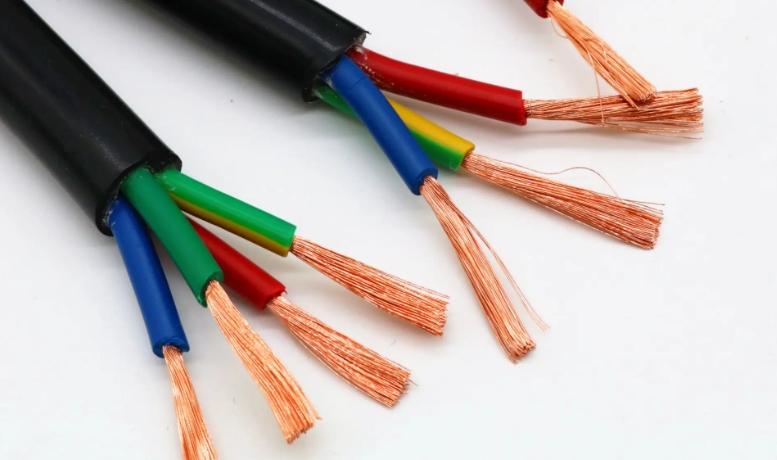
-
什么是风电电缆?介绍风电电缆的应用范围和领域
2025-08-13
-

船用电缆的敷设位置和工作条件
2025-08-06
-
辐照交联聚烯烃线缆的特征
2025-07-11
-
电线电缆绝缘和护套材料电气性能的试验方法
2025-07-08
- 服务热线:180-5860-1913
- 公司地址:宜兴市官林镇笠丰路张五渎634号

业务合作
微信扫码获取方案