

These three aspects of low-voltage power cables need to be understood
I. How are low-voltage power cables composed?
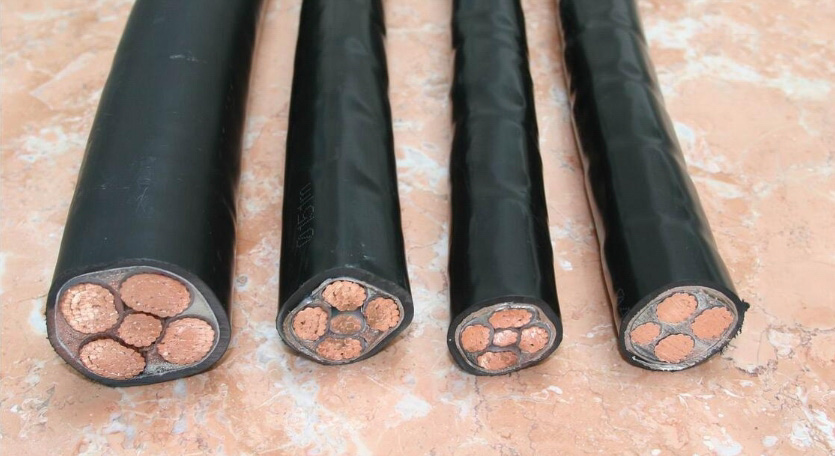
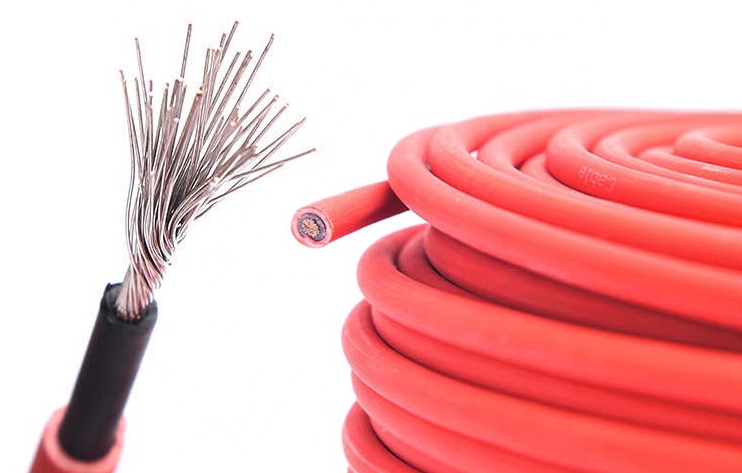
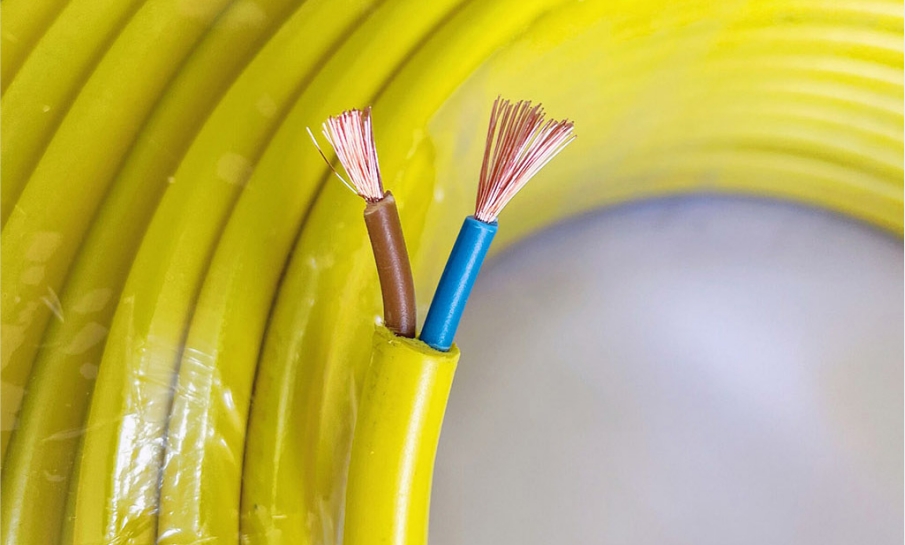
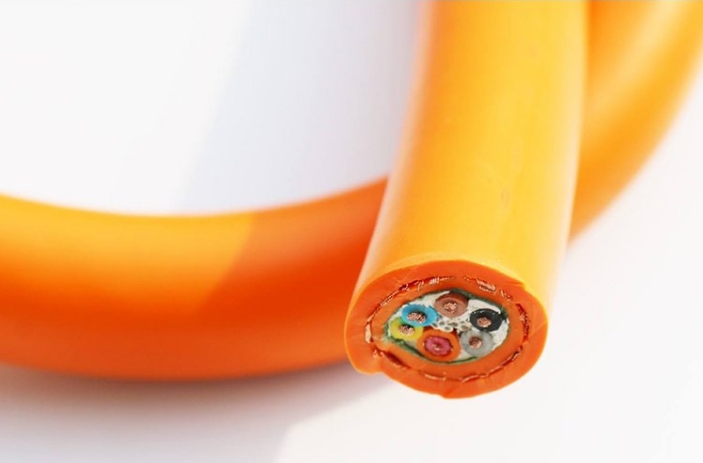
The low-voltage power cord is made of professional materials. Production and manufacturing are carried out by adopting corresponding processes. Ensure that it can conduct electricity normally within a certain load range and reach the required value. Low-voltage power cables are typically used in residential communities or areas where high voltage is not required. We will use more low-voltage power cables. Therefore, there are certain requirements for its material durability, corrosion resistance, etc., to ensure the stability of power transmission and the normal operation of power lines.
Ii. What aspects should be considered when choosing low-voltage power cables?
For some products related to electricity, we also have very high requirements for their durability, corrosion resistance and pressure resistance when making a choice. After all, we also know that if there is a damaged cable or a power outage, it can be very troublesome to repair. If its performance is good and the possibility of accidents is small, it can ensure the normal electricity supply for residents. So when making a choice, more compression tests can be conducted. The aim is to make its performance more in line with the standards in practical use. After all, in different environments such as high temperature and high pressure, the requirements for it still vary. At room temperature, this is definitely different. We need to take this into account when choosing products.
Iii. Which manufacturing factory produces low-voltage power cables?
This also depends on the reputation and popularity of the brand it belongs to. When doing business, it is essential to pay attention to word-of-mouth and reputation. As consumers, when choosing products, there are also many favorable comments from manufacturers. Therefore, we will naturally feel more relaxed. After all, it is necessary to ensure that the items are for personal use, rather than being discovered by unscrupulous merchants. Be more careful during the search.

- Tel:180-5860-1913
- Address: No. 634, Liufeng Road, Guolin Town, Yixing City, Jiangsu Province, China

Business contact
Wechat scan code